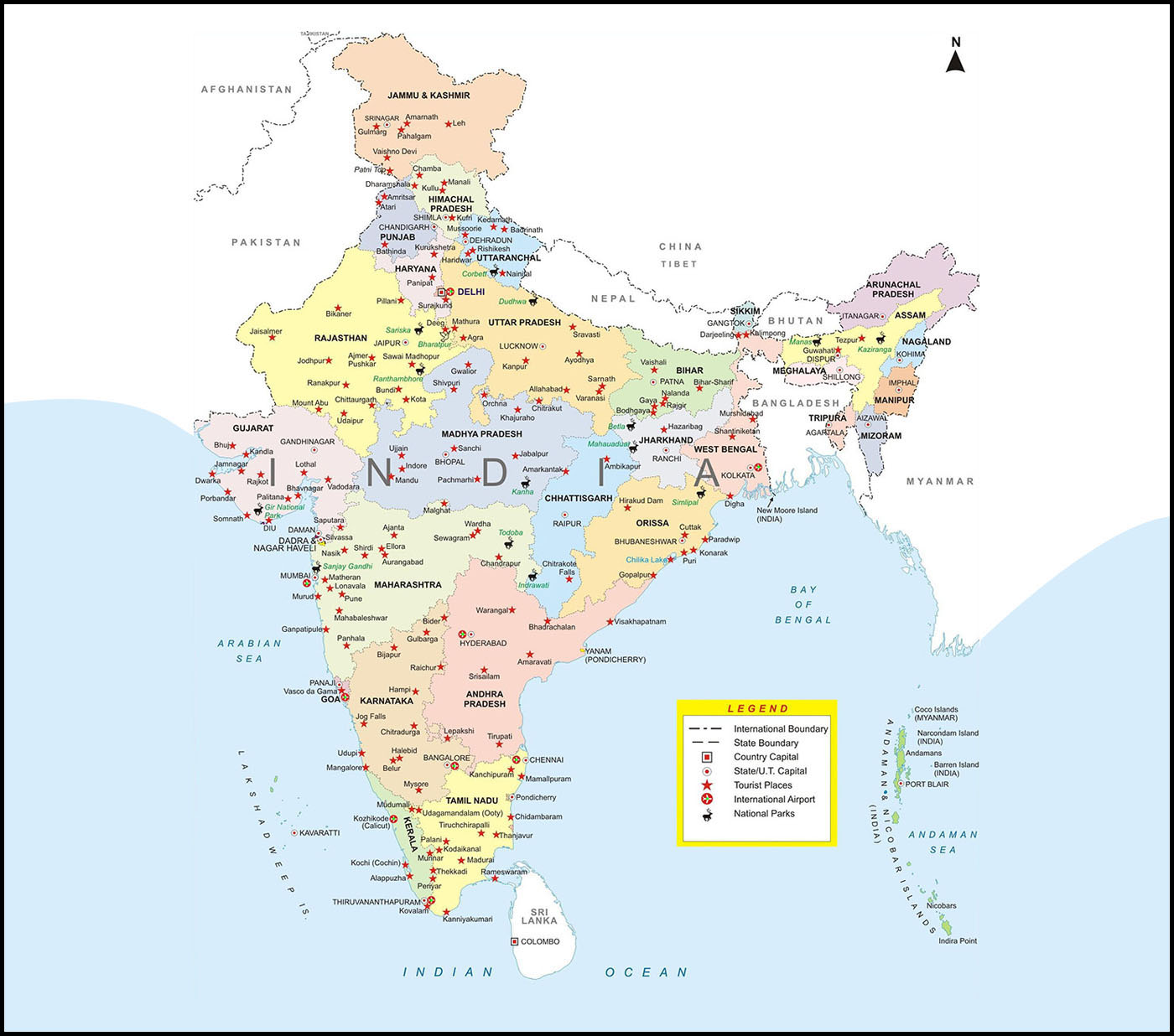

About India

Findthe Best Hospital

This beautiful peninsula located in South Asia is a potpourri of breathtaking landscapes, mountain ranges, hill stations, beaches, an opulent history, rich cultural festivities and more – an enigma in its wholesome beauty and variety.

India is the ninth-largest economy in the world by GDP and the third-largest by purchasing power parity (PPP), making India the second fastest growing economy in the world after China. India has made rapid strides in growth and development as reflected in the world class infrastructure, mega cities, economic hubs, modern airports, swanky multiplexes, thriving retail centers, luxurious hotels, knowledge and information technology parks.

The second largest country in Asia and the seventh largest, India is also the second most populous country on Earth. India is the largest democracy of the world, and an emerging global power, a real force to reckon with.

India has one of the oldest civilizations and is one of the top industrialized countries in the world today.
General Facts

Official Name : Bharat (Sanskrit), Republic of India (English)

Capital : New Delhi

Population : 1,210,569,573 (2011 Census)

Area : 3,287,263 square kilometers

Geographical Location : Between latitudes 8° 4' and 37° 6' North and longitudes 68° 7' and 97° 25' East

Coastline Length : 7,516 km

Major Religions : Hinduism, Islam, Christianity, Sikhism, Buddhism, Jainism, Judaism, Zoroastrianism

Population Density : 382 persons per square kilometer

Sex Ratio : 943 females per 1,000 males

Literacy : 73.00%

President : Pranab Mukherjee

Vice President : Mohammad Hamid Ansari

Prime Minister : Narendra Modi

National Anthem : Jana Gana Mana, written by Rabindranath Tagore

National Song : Vande Mataram, composed in Sanskrit by Bankimchandra Chatterji

National Emblem : An adaptation of the Lion Capital of Ashoka at Sarnath

National Animal : Royal Bengal Tiger

National Bird : Peacock

National Flower : Lotus

National Tree : Banyan

National Fruit : Mango

National Currency : Indian Rupee (INR)

National Sport : Hockey (Unofficial)

Languages : The Republic of India has no national language; however, there are two official languages of the Union Government of India, namely Hindi and English. There are 22 major languages in India, written in 13 different scripts, with over 720 dialects.

National Flag : Horizontal tricolor in equal proportion of deep saffron on the top, white in the middle and dark green at the bottom. In the center of the white band, there is a wheel in navy blue color.

Modes of Travel : Air, Trains, Buses, Trams

Telephone Country Code : +91
History

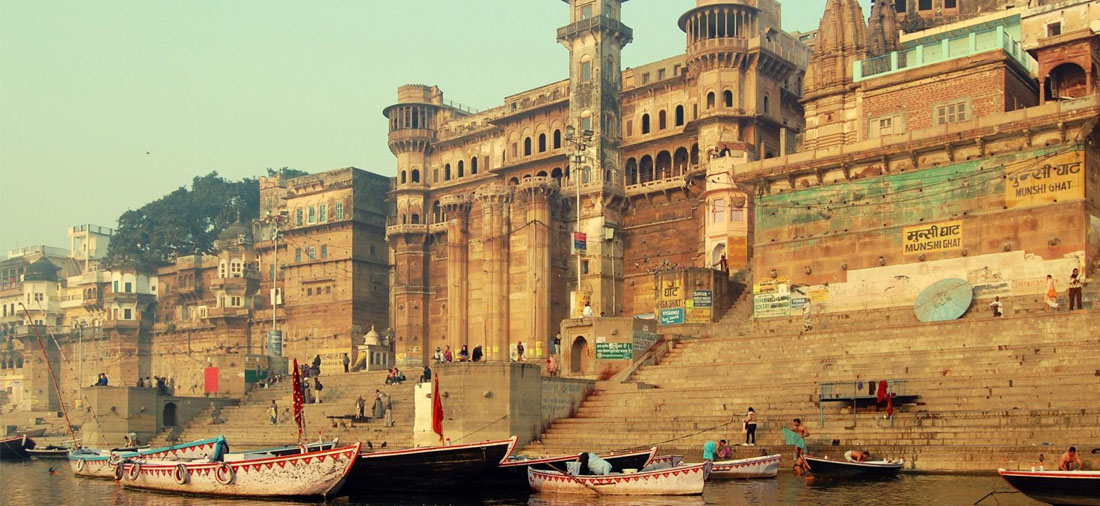
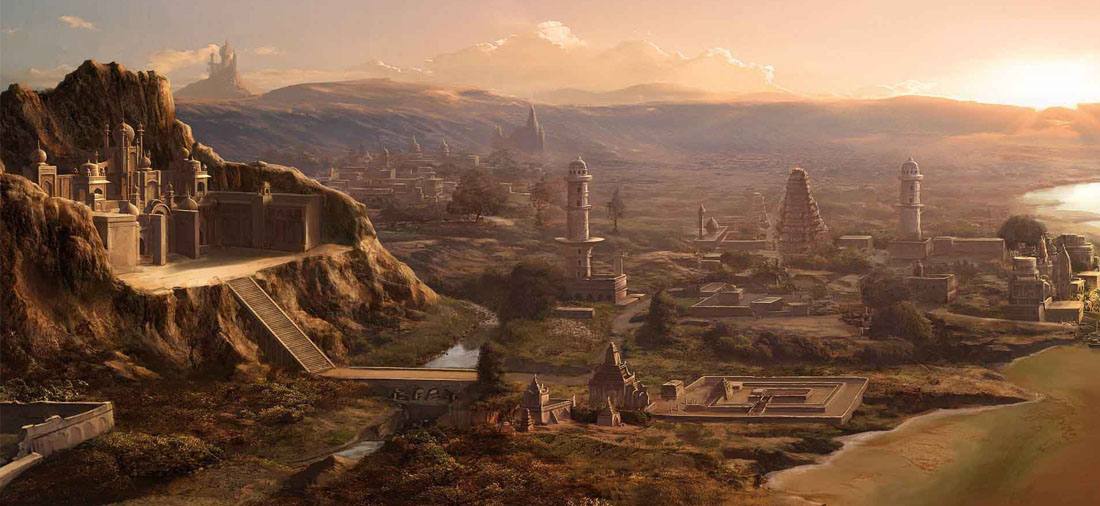
  • India witnessed the advent, rise and fall of many civilizations contributing to the rich cultural complexity that makes India unique.
  • As early as 2500 BC the first major civilization flourished in the Indus valley, and is considered as one of the most advanced in terms of the impact and technological bend possessed by the people at the time.
  • Around 1500 BC the first invaders arrived in the form of Aryans who brought with them strong cultural traditions. They dispersed into various parts of the land and eventually led to the creation of dynasties that would rule the country for several years.
  • The medieval period saw the advent of Muslims and the gradual formation of the Delhi Sultanate.
  • Around 15th century AD India began trading links were established with Portugal led by Vasco da Gama which led to gradual take over to Goa and in 1672 AD the Danes, Dutch and French arrived.
  • British influence began with the commercial control via the East India Company and their rule was formalized following the First War of Independence in 1857.
  • Voices rose against their oppression from various parts of the country and under the leadership of Mahatma Gandhi along with Raja Ram Mohan Roy, Bankim Chandra, Rabindranath Tagore, Subramanya Bharathi , Abul Kalam Azad, Bal Gangadhar Tilak, Asaf Ali, C. Rajagopalachari, Gopal Krishna Gokhale, Abdul Ghaffar Khan, Sardar Vallabhbhai Patel, Subhas Chandra Bose, Jawaharlal Nehru and Sarojini Naidu the freedom struggle reaped its fruits on 15 August 1947.
  • Independent India began their step towards development and growth on the strength of a scientific foundation for all its programmes, whether it was agricultural research, pure scientific research or product designs for the craftsmen. The 'Green Revolution' of the sixties and the 'White Revolution' of the seventies brought about amazing results in agriculture and cooperative dairy farming.

Geography

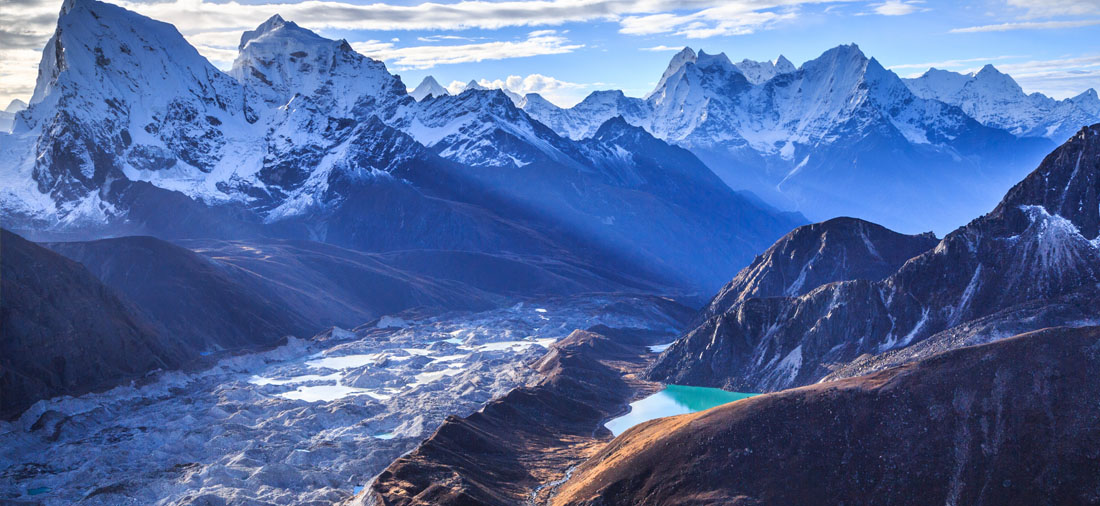
  • This sub-continent covers an area of 32,87,263 sq. km (1,269,346 sq mi), extending from the snow-covered Himalayan heights in the north to the tropical rain forests of the south.
  • India is The 7th largest country in the world
  • The mainland of India stretches from longitudes 68° 7' and 97° 25' East and latitudes 8° 4' and 37° 6' North.
  • Mount Kanchenjunga is the highest point while Indian Ocean forms the lowest point
  • India has a long coastline that measures 7,516.6 km
  • Pakistan, China, Afghanistan, Myanmar, Bhutan, Nepal and Bangladesh are the immediate neighbouring countries
  • India is home to around 91,000 species of fauna. India is the tenth in position in the world wth respect to its floral diversity.

Climate

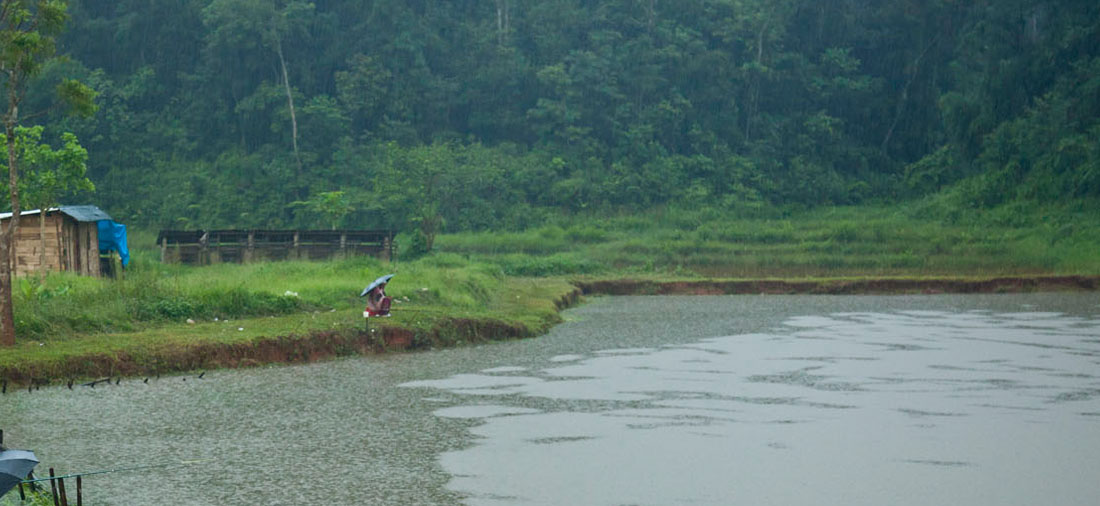
The climate of India is essentially a tropical monsoon one which is marked by relatively high temperatures and dry winters. There are four seasons:
  • Winter - (December-February)
  • Summer - (March-June)
  • South-west monsoon season - (June-September)
  • Post monsoon season - (October-November)

Culture

  • India is one of the best examples of unity in diversity as it is home to multiple religions, races and languages
  • There is respect and acceptance for all belief systems, ideas and philosophies
  • All major religions are practiced in India namely Hinduism, Zoroastrianism, Judaism, Sikhism, Buddhism, Jainism, Islam and Christianity including their sects
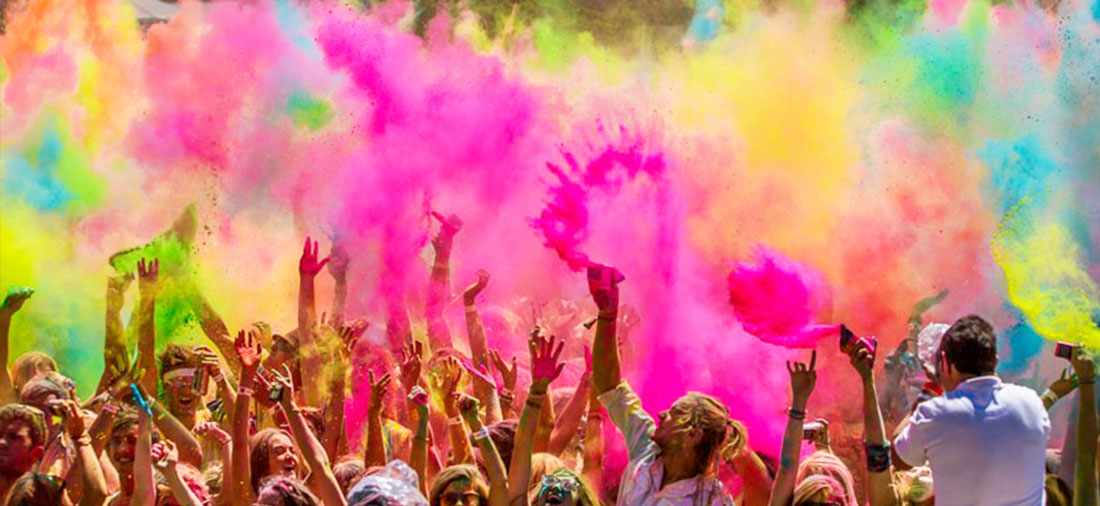
  • Indians love celebrating their festivals in all their pomp and glory.
  • India is home to 22 languages and countless other dialects.
  • The cultural complexities and beauty is often reflected in the multitude art forms ranging from various styles across paintings, dance forms, music and literature, cuisine, films, theatre, crafts to name a few

Economy

  • The GDP of India is worth around 1,996 billion US dollars, making it the 10th largest economy in the world.
  • India is the largest producer of milk in the world and is among the top five producers of tea, silk, spices, sugar, cotton, rubber, coffee and fish in the world.
  • It has the 3rd largest pharmaceutical industry
  • India is home to 187 minor ports and 12 major ports.

Scientific & Technical Development

  • India is among the few countries in the world that manufacture supercomputers.
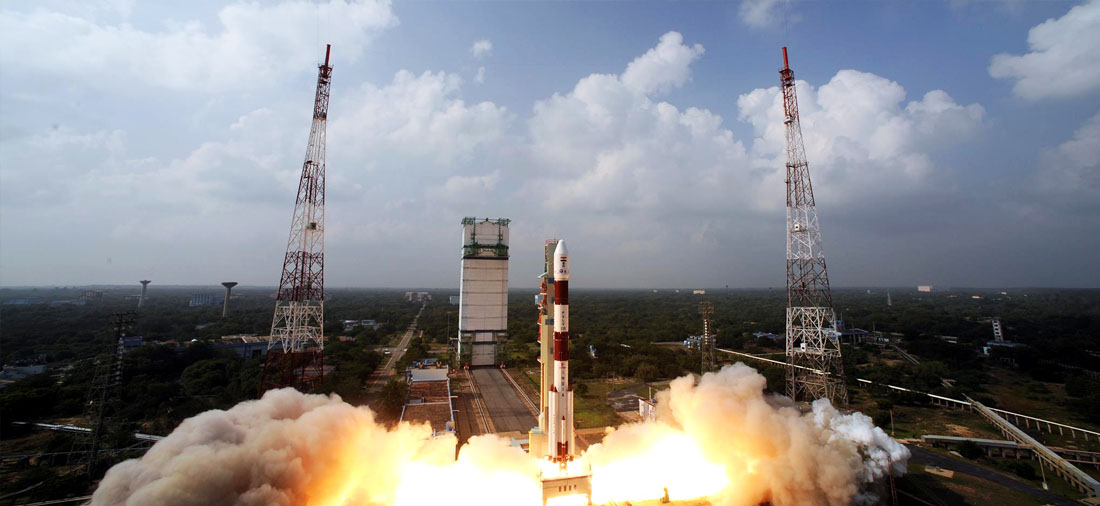
  • India is one of the few nations to have made gigantic leaps in their space programs.
  • India is one of the few satellite launching countries in the world.
  • India is the first country in the world to enter the Martian orbit in its very first attempt.

Travel

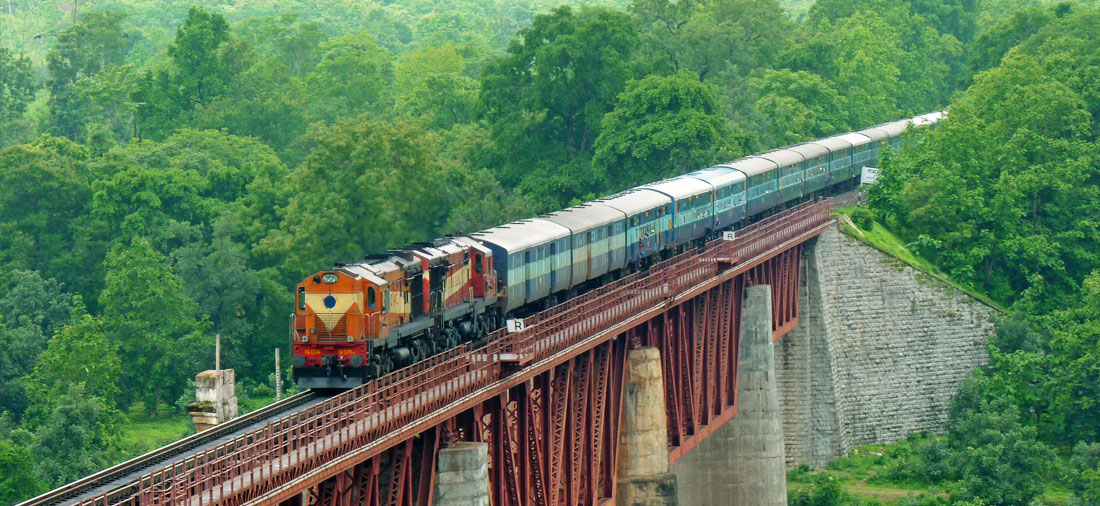
  • The Indian Railways is operated and owned by the Government of India, Ministry of Railways. It is one of the world's largest railway networks with 115000 km of track over a route of 65000 km with 7500 railway stations. More than 20 million passengers travel daily in Indian Railways and around 2.8 million tons of freight is transported daily.
  • India is all well connected by airports in major cities of the country India has a road network of over 5,472,144 kilometres (3,400,233 mi) as on 31 March 2015, the second largest road network in the world

Hospitals

Procedures

Clients

Support

Are you considering treatment abroad??

Look no further, get in touch with us today.

Contact Us
Quick Inquiry